
What I Learned From Filming My First Wedding
I thought I was ready. I was friends with the families, I had been part of the preparation and rehearsal, and I had the technical skills to handle filming an event. But weddings are a whole different beast—there’s so much happening at once, and every moment matters. From capturing candid interactions to making sure the key moments are perfectly framed, I quickly realized that even with preparation, there’s a lot to stay on top of in real time.
In the end, the couple was happy, and the final deliverables reflected the day beautifully: a short cinematic video designed for social media, which I’ve shared here, and a full 1-hour 45-minute behind-the-scenes video—a longer keepsake for the family to look back on for years to come. The experience taught me a lot about anticipation, flexibility, and capturing genuine emotion while staying unobtrusive. It reminded me that no matter how ready you think you are, weddings always throw surprises your way.
Here are 5 things I learned while shooting my first wedding:
1. I Can’t Do It Alone
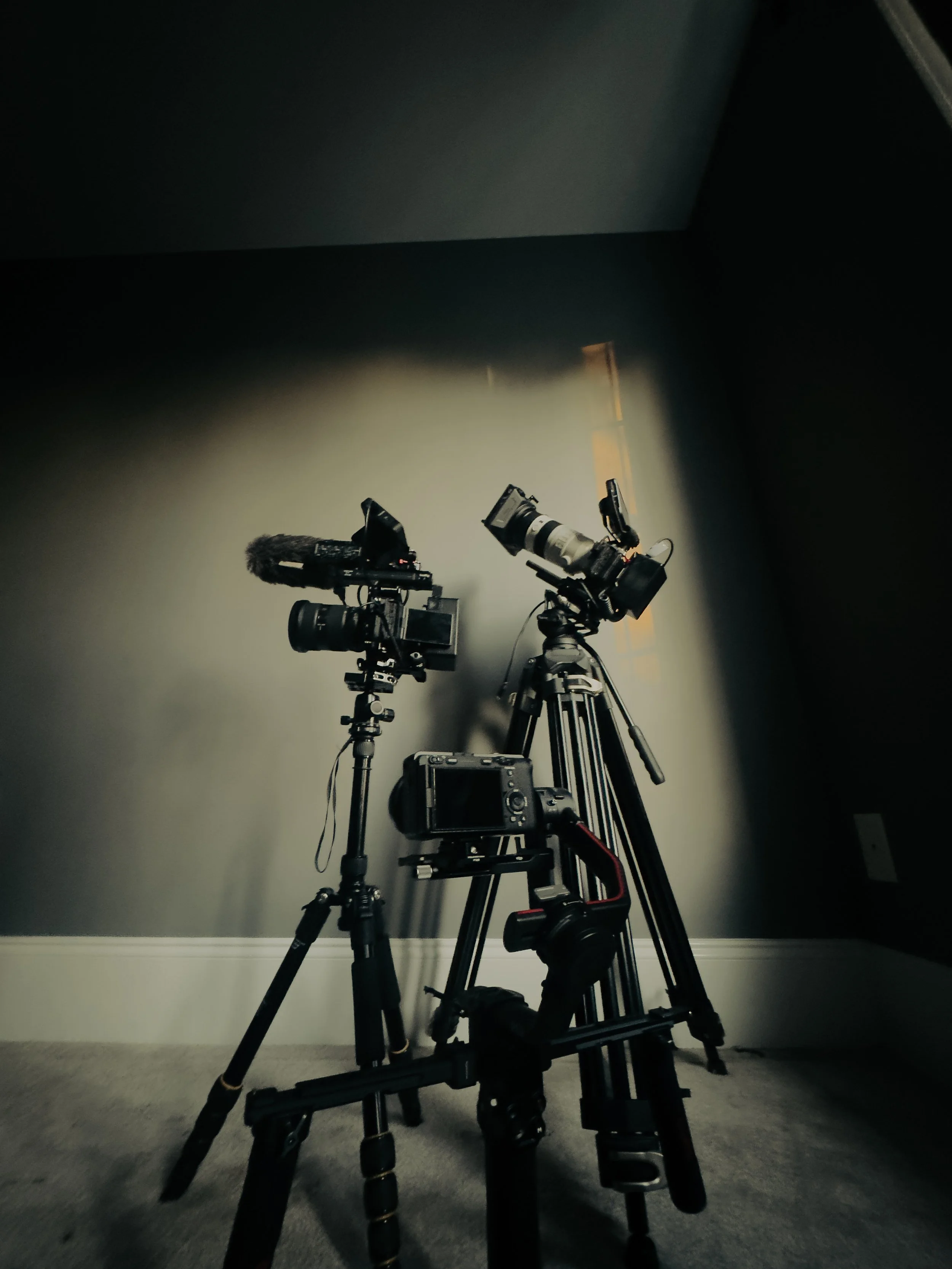
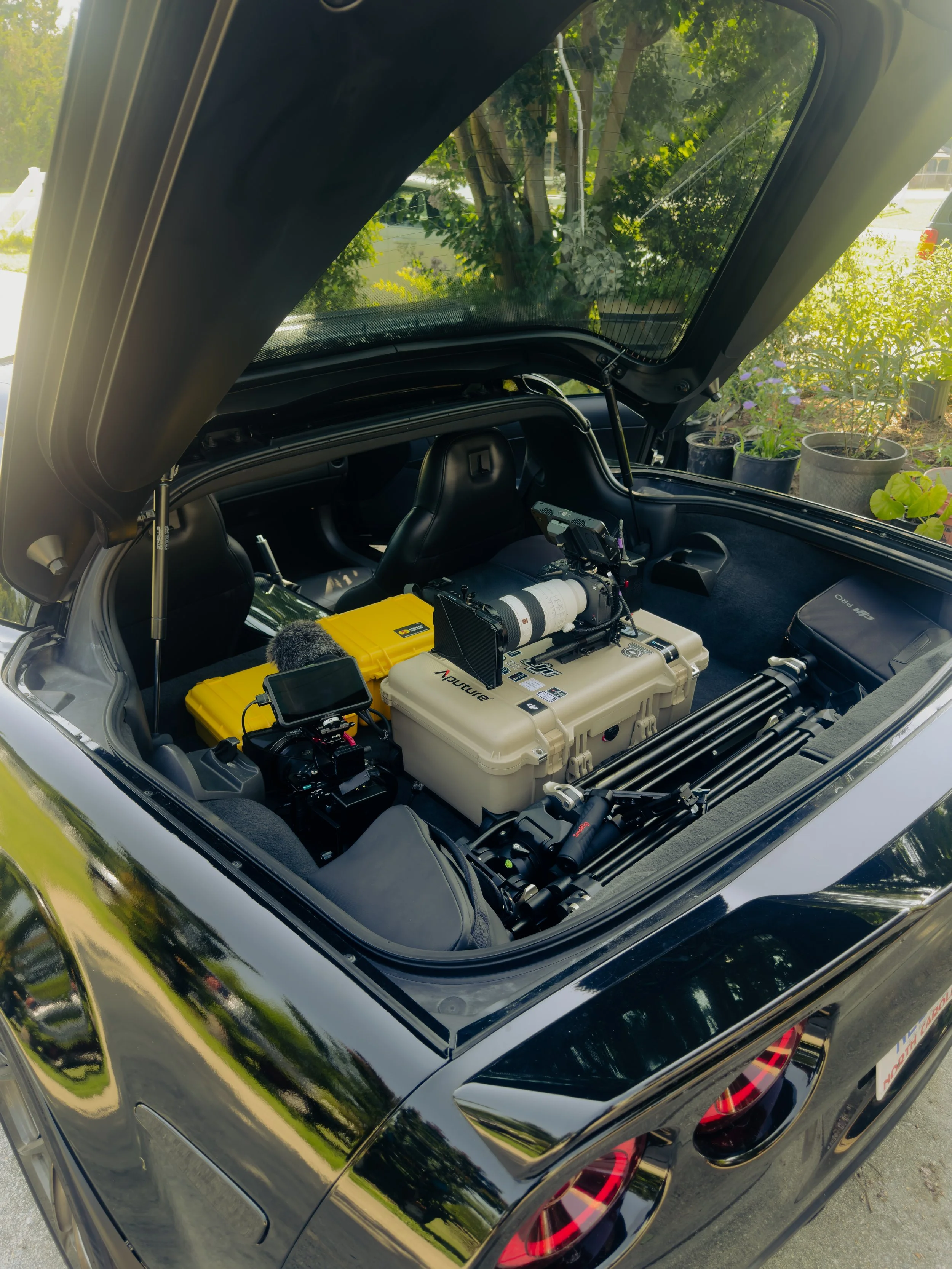
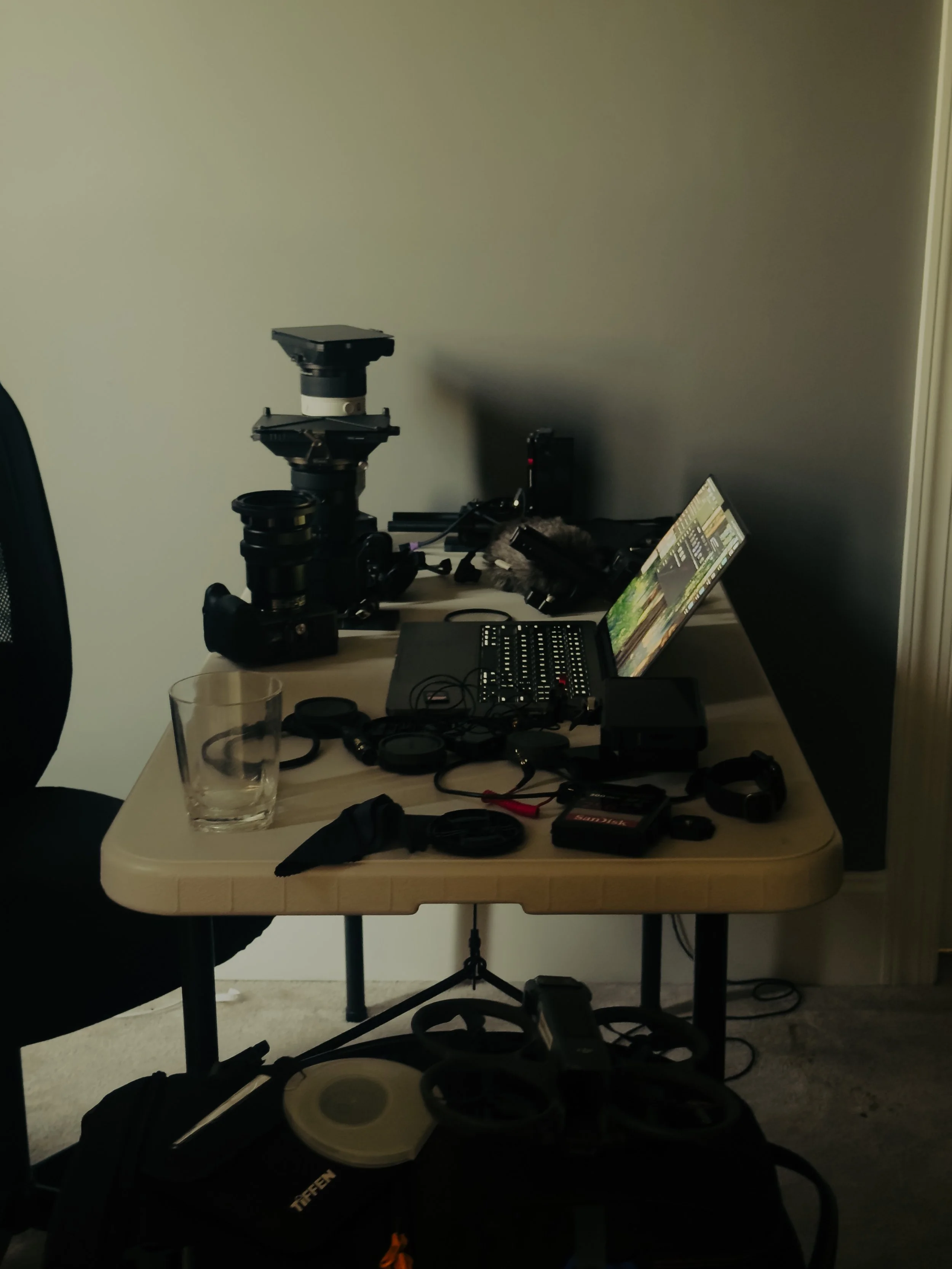
I thought I could handle everything myself—three cameras, constant movement, capturing every fleeting moment. By the end of the day, in 98°F heat, I felt like I had run a marathon. Looking back, I wish I had a second shooter. I spent more time with the groomsmen than the bridesmaids—not by choice, but because I physically couldn’t be in two places at once.
Another shooter would’ve allowed me to deliver more variety and better coverage. The truth is, I was overly confident. I wanted to prove I could handle it all myself, but that mentality doesn’t work for weddings—honestly, it doesn’t work for much of anything. It came from a prideful spirit that I pray God helps me resist. Doing it alone is possible, but not if you want to deliver the experience and quality you promise—especially with zero wedding experience.
I won’t make that mistake again.
2. I Need To Use Timecode
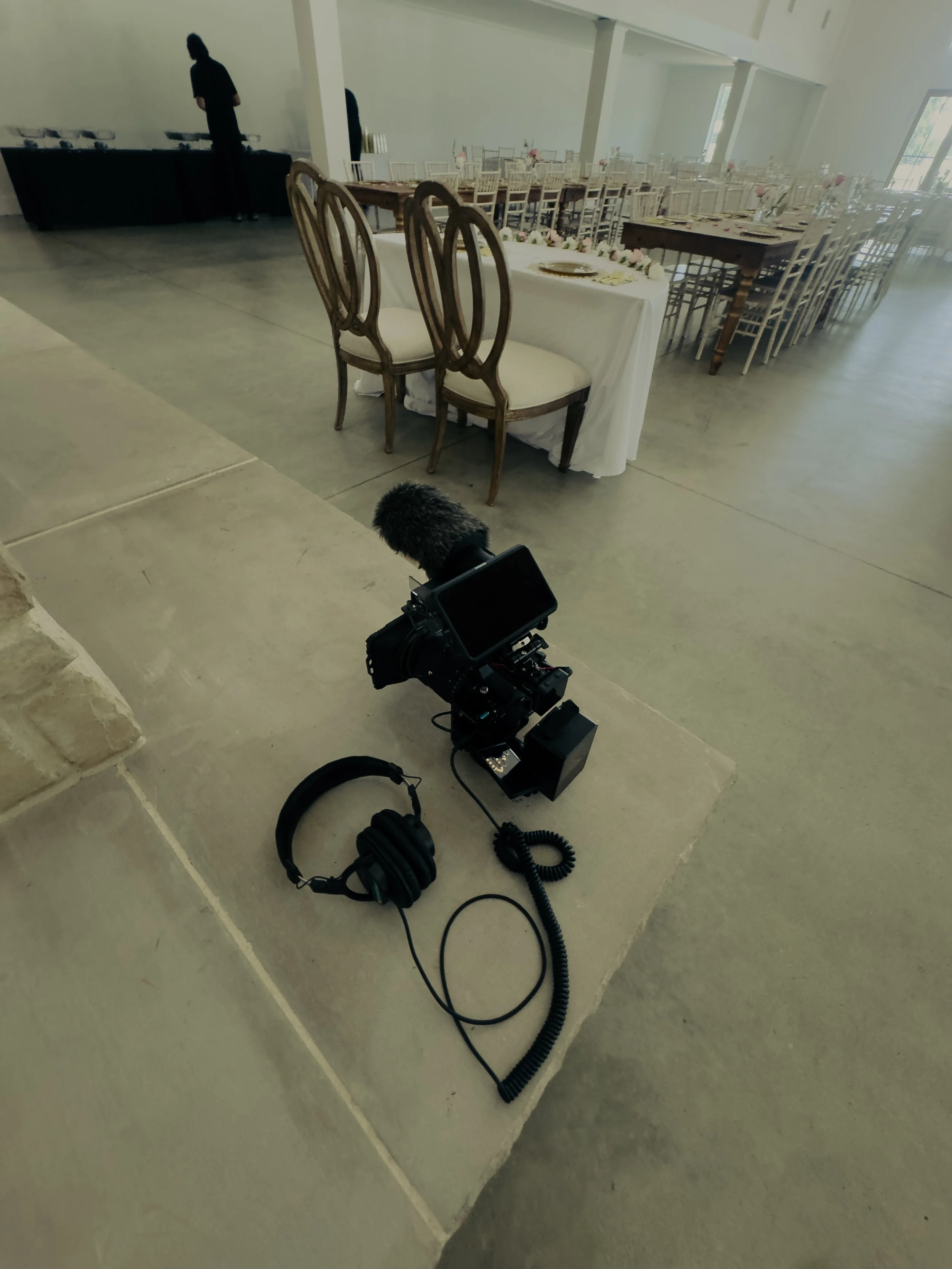
One thing I’m proud of is how I prioritized audio. Both the bride and groom were mic’d with Rode wireless lavaliers. To me, this should be a must for every wedding. I get why some videographers avoid lav mics—it can be awkward trying to find a natural place to clip them and find out where to hide the transmitter, especially with a wedding dress or fitted suit. It’s a delicate, personal process, and handling it confidently takes practice.
I think I got lucky this time, but I want to master this skill so that, in the future, I can consistently capture every conversation, every quiet moment, every laugh, and every interaction the couple shares with their loved ones throughout the day.
Still, even though the audio quality was good, editing it was a nightmare. I had three cameras and three audio sources—each lav plus a shotgun mic capturing scratch audio. Without timecode, I had to manually sync every piece before I could even start editing. It worked, but it added hours to the process. A workflow that taps directly into timecode would make this infinitely easier.
Getting clean audio is only half the battle—managing and mixing all of those sources in post is its own challenge, and that was another big lesson I walked away with.
3. I Should Buy Another ND Filter Set
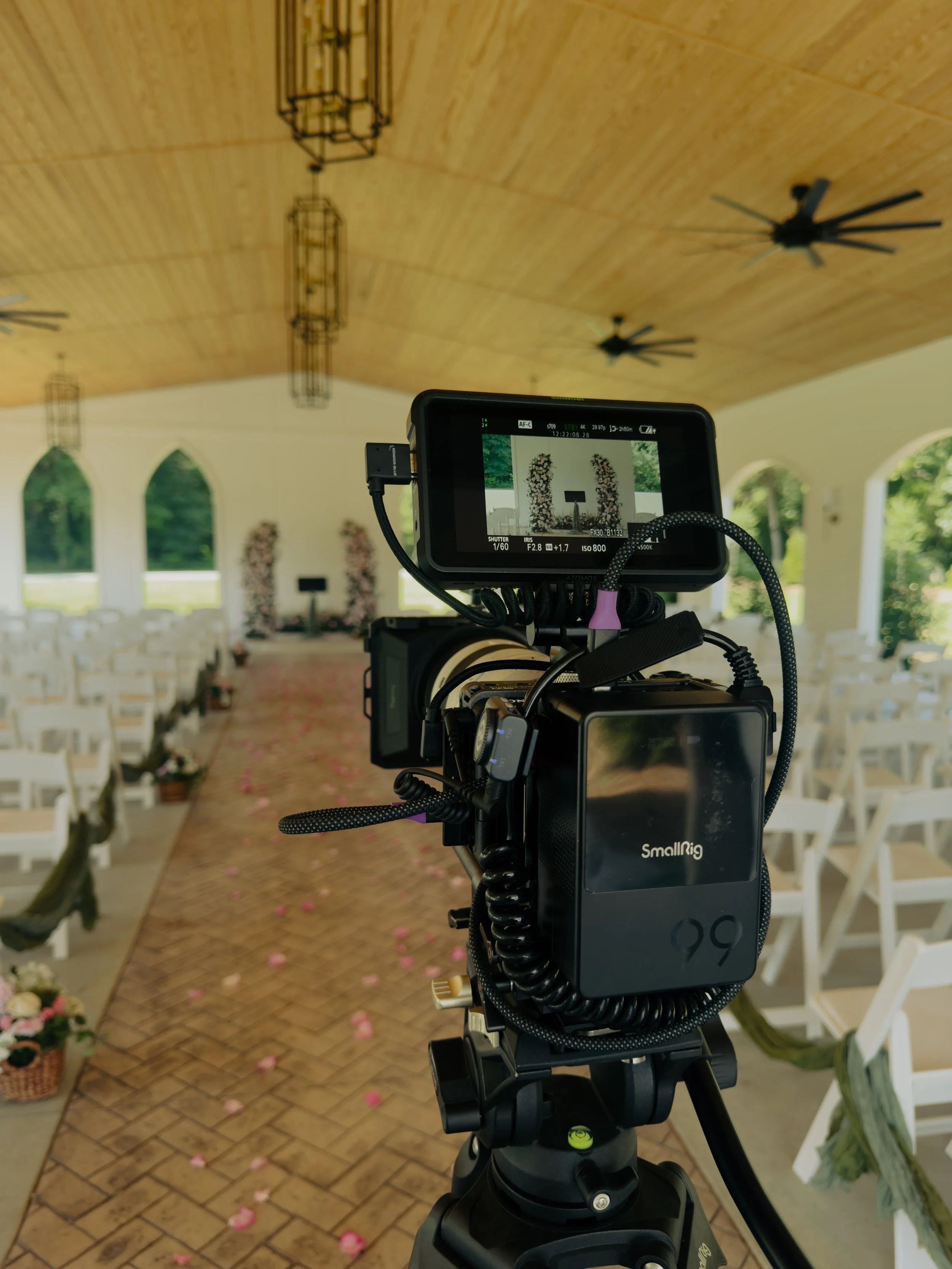
Even with similar cameras (two Sony FX30s and one FX3), I ran into color discrepancies because I only owned one ND filter set and had to rent another. Even with matching settings, the footage looked slightly different, which meant more time color matching in post. Investing in another identical ND set is now at the top of my list.
4. Team Up with the Photographers
One of the best parts of the day was working with the photography team. There were two of them, and they were incredibly easy to collaborate with. Team culture isn’t something you think about at first, but it’s crucial. When everyone communicates well and respects each other’s space, the final results benefit everyone—especially the couple.
5. Have a Shot List
The photographers had their go-to shot lists dialed in, and watching them made me realize how valuable that structure is. It keeps you focused, intentional, and consistent. I should’ve reached out to seasoned wedding videographers beforehand. Instead, I found myself improvising and stressing about “forcing” moments instead of anticipating them.
Shot lists will become part of my workflow moving forward. Experience builds intuition, but planning gives you confidence.
Final Thoughts
You know what they say—your first anything is usually rough. I wouldn’t call my final results bad, but I know that as I take on more weddings, I’ll look back and see how much I’ve grown.
I’m incredibly grateful the Larios couple trusted me with their day. I have the technical skills to film events, but weddings are a world of their own. Spontaneous, emotional, unpredictable—you have to be ready for everything. Even with careful planning, I almost missed a few key moments.
Every challenge taught me something new. And honestly? That’s what makes weddings so exciting.