

Lessons From My First Wedding Film
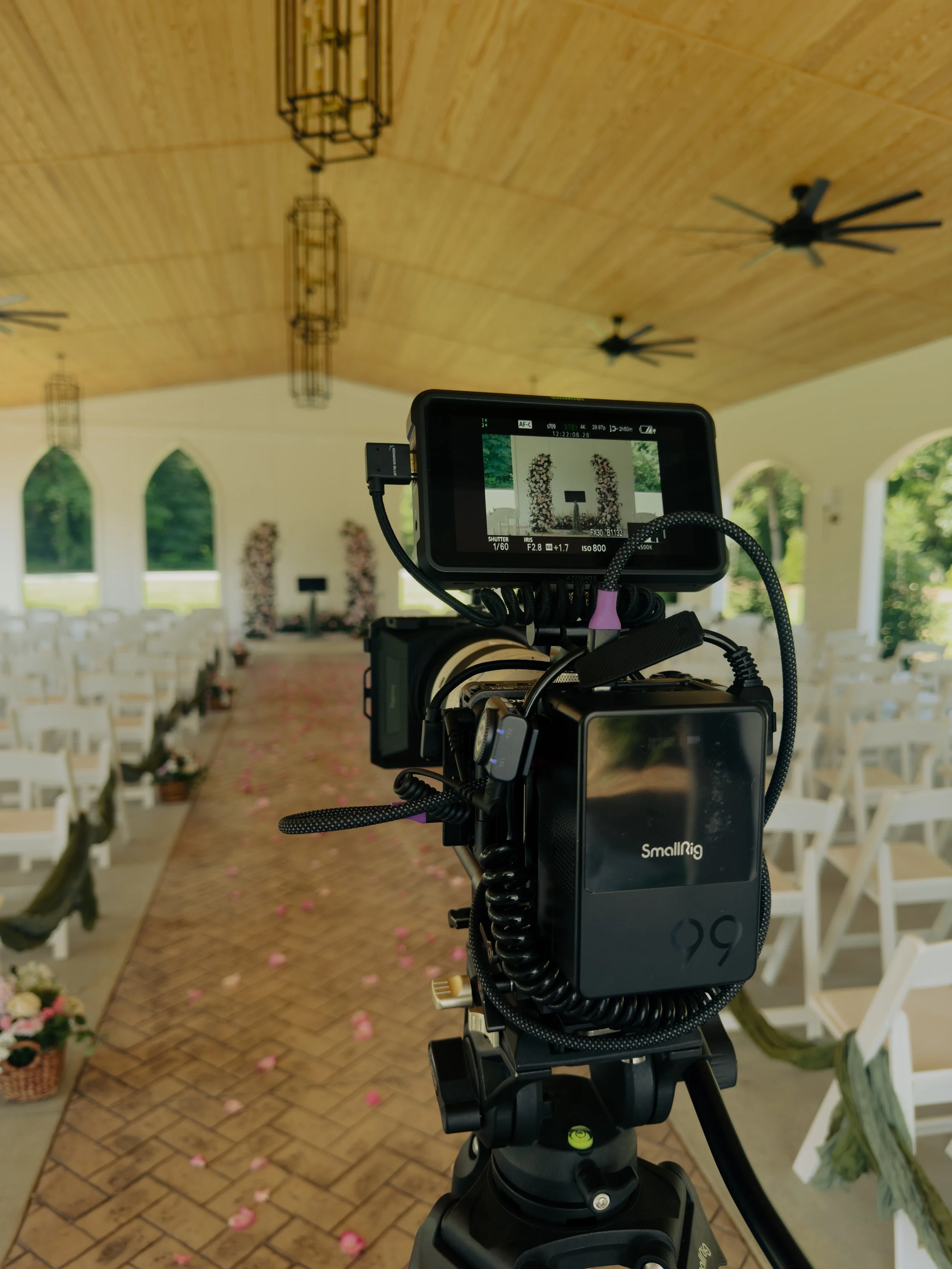
Filming a wedding at The Hartwood in Smithfield, NC — a beautiful venue that gave me the flexibility to move freely, stay unobtrusive, and capture meaningful moments throughout the day.
Weddings test you in ways no other video project does.
I thought I was ready. I was friends with the families, involved in the preparation and rehearsal, and confident in my technical ability to film an event. But wedding videography is a completely different beast. There’s constant movement, overlapping moments, and zero second takes. Every interaction matters, and everything is happening at once.
From capturing candid emotions to ensuring key moments were framed and in focus, I quickly learned that preparation alone isn’t enough. Wedding videography requires anticipation, adaptability, and a calm presence under pressure.
In the end, the couple was happy—and that’s what mattered most. I delivered two final films: a short cinematic wedding video designed for social media, which I’ve shared here, and a full 1-hour 45-minute documentary-style wedding film that allows the family to relive the day for years to come.
This experience forced me to grow—not just as a videographer, but as a professional.
What I Learned While Filming My First Wedding
1. I Can’t Do It Alone
I went into the day thinking I could handle everything myself—three cameras, constant movement, and capturing every meaningful moment. By the end of the day, filming in 98°F heat, I felt like I had run a marathon.
Looking back, I should have hired a second shooter. Not having one meant I spent significantly more time with the groomsmen than the bridesmaids—not because of preference, but because I physically couldn’t be in two places at once.
A second shooter would have allowed for stronger coverage, more variety, and less stress. Trying to prove I could handle it all myself came from overconfidence. Weddings demand teamwork. Doing it solo is possible, but not if you want to deliver consistent quality—especially on your first wedding.
This is a mistake I won’t make again.
2. I Need to Use Timecode for Wedding Video Editing
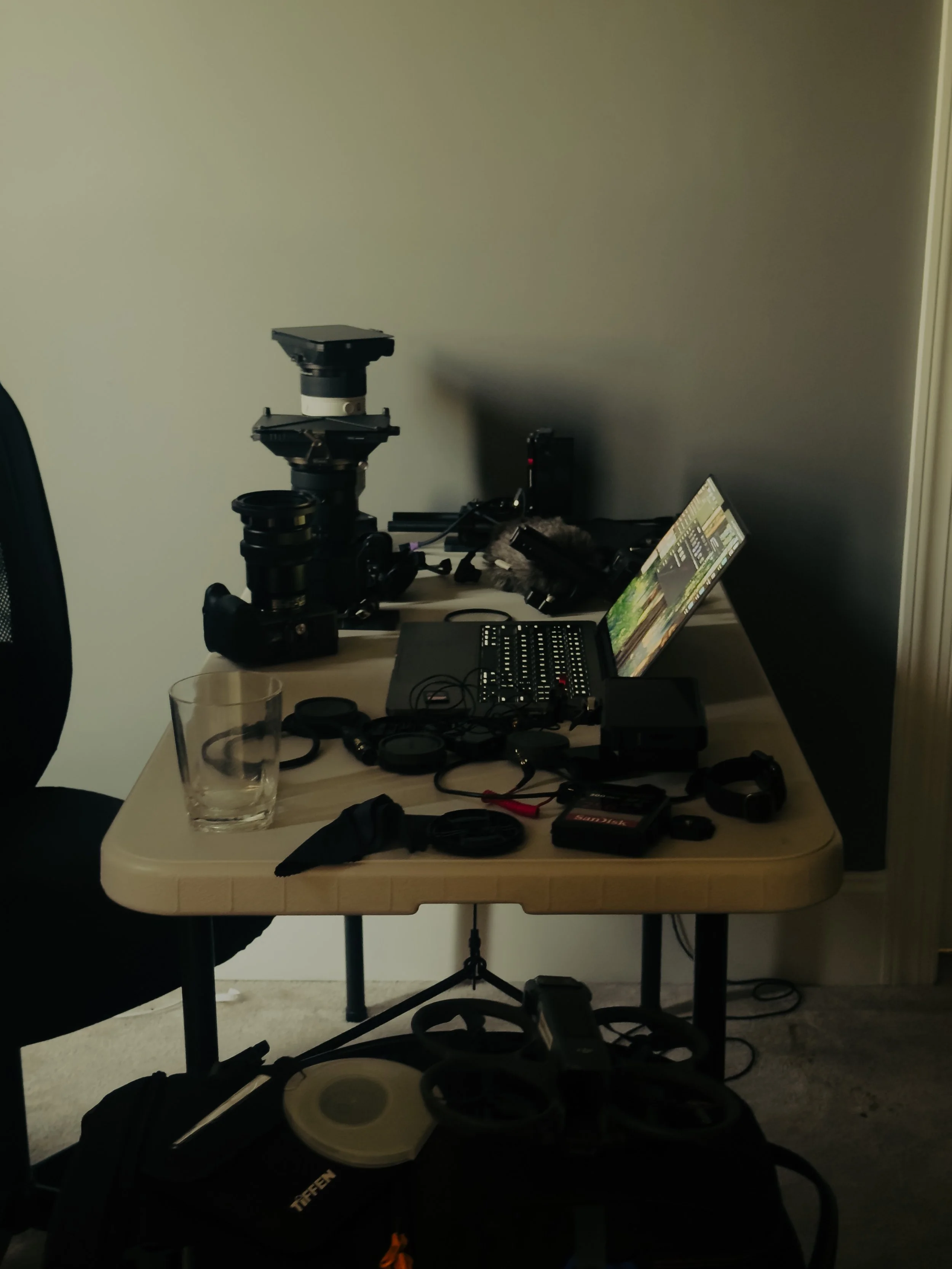
One thing I’m proud of is prioritizing audio. Both the bride and groom were mic’d using Rode wireless lavaliers. Clean audio is essential for wedding films—it captures quiet conversations, laughter, and emotional moments that visuals alone can’t communicate.
That said, while the audio quality was strong, managing it in post-production was a challenge. I recorded with three cameras and three separate audio sources, including lavaliers and a shotgun mic for scratch audio. Without timecode, every clip had to be manually synced before editing could even begin.
It worked, but it added hours to the workflow. Integrating timecode into my wedding video setup will dramatically improve efficiency and consistency in future projects.
Capturing clean audio is only half the job—organizing and mixing it effectively in post-production is just as important.
3. I Need Matching ND Filters for Consistent Color
Even though I was filming with similar cameras—two Sony FX30s and one Sony FX3—I ran into color inconsistencies because I only owned one ND filter set and had to rent another.
Despite matching camera settings, the footage still required extra color correction in post. Investing in identical ND filter sets is now a priority, as it saves time and ensures visual consistency across multi-camera wedding shoots.
4. Teamwork With Wedding Photographers Is Essential
One of the highlights of the day was working alongside the photography team. There were two photographers, and collaboration was seamless.
Strong communication and mutual respect make a huge difference during a wedding day. When photographers and videographers work together instead of competing for space, the couple benefits the most.
Building strong relationships with wedding photographers is something I’ll continue to prioritize moving forward.
5. A Wedding Shot List Is Non-Negotiable
Watching the photographers work with their shot lists made one thing clear: structure creates confidence.
Without a clear wedding video shot list, I found myself improvising and occasionally stressing about whether I had captured everything. Instead of anticipating moments, I was reacting to them.
Going forward, shot lists will be a standard part of my wedding videography workflow. Experience builds intuition, but planning creates consistency.
Final Thoughts on My First Wedding Video
Your first wedding film is rarely perfect—and that’s okay.
I wouldn’t call the final films bad, but I know that as I continue shooting weddings, I’ll look back and clearly see how much I’ve grown. Weddings are spontaneous, emotional, and unpredictable. Even with preparation, surprises are guaranteed.
I’m incredibly grateful the Larios family trusted me to film such an important day. This experience reinforced that wedding videography is more than technical skill—it’s about awareness, humility, and adaptability.
Every challenge taught me something new. And honestly, that’s what makes weddings so exciting.
Looking for a Wedding Videographer?
If you’re planning a wedding at The Hartwood or elsewhere in the surrounding areas, and want a videographer who prioritizes storytelling, preparation, and continuous growth, I’d love to connect. Check out more of my work or reach out through my contact page to start the conversation.
If you’re an upcoming videographer and found this post helpful, I’ll be sharing more in-depth breakdowns like this soon—so you can learn from real-world projects and grow your own production skills.