
Making the Most of a Tiny Interview Space
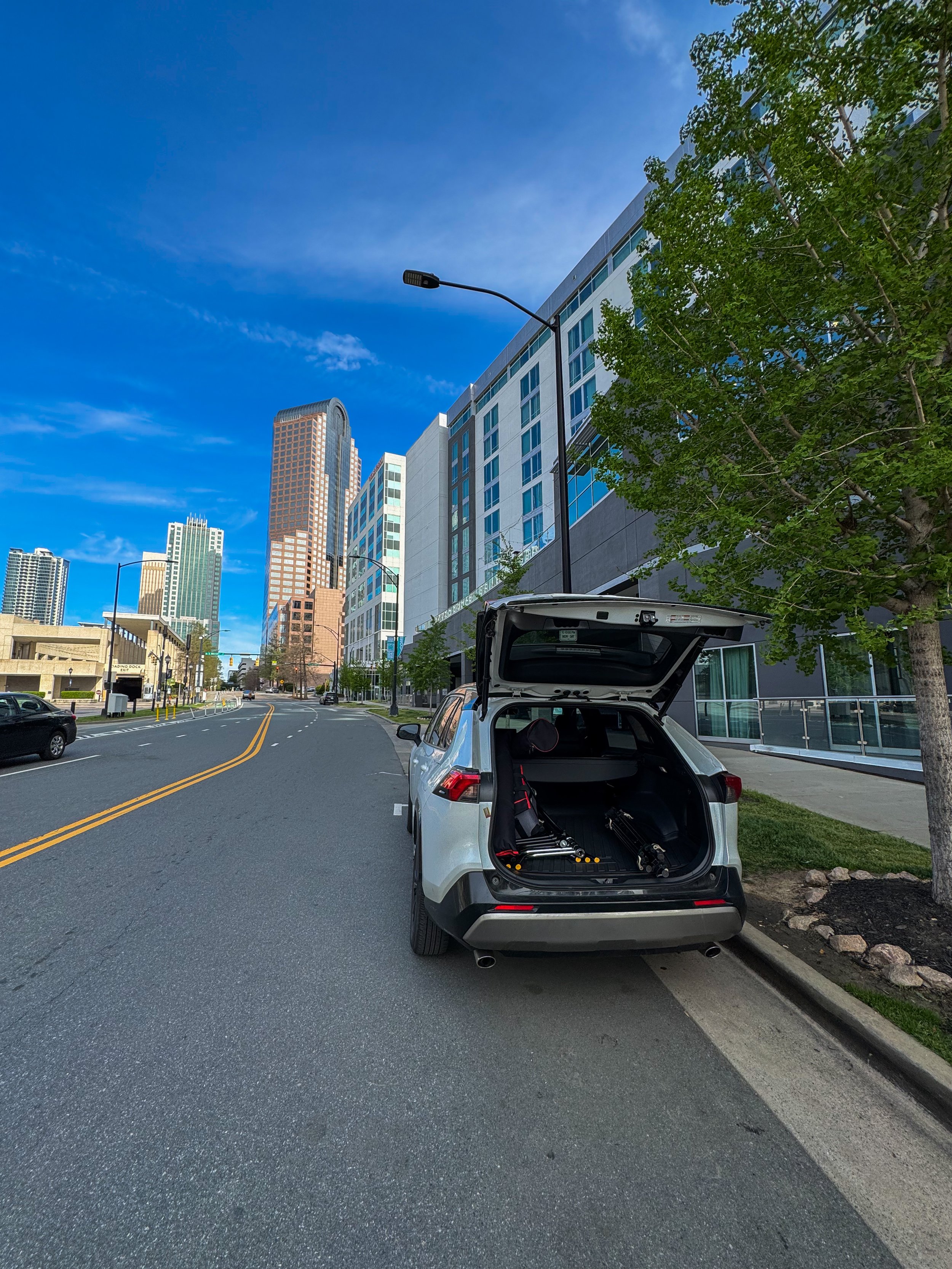
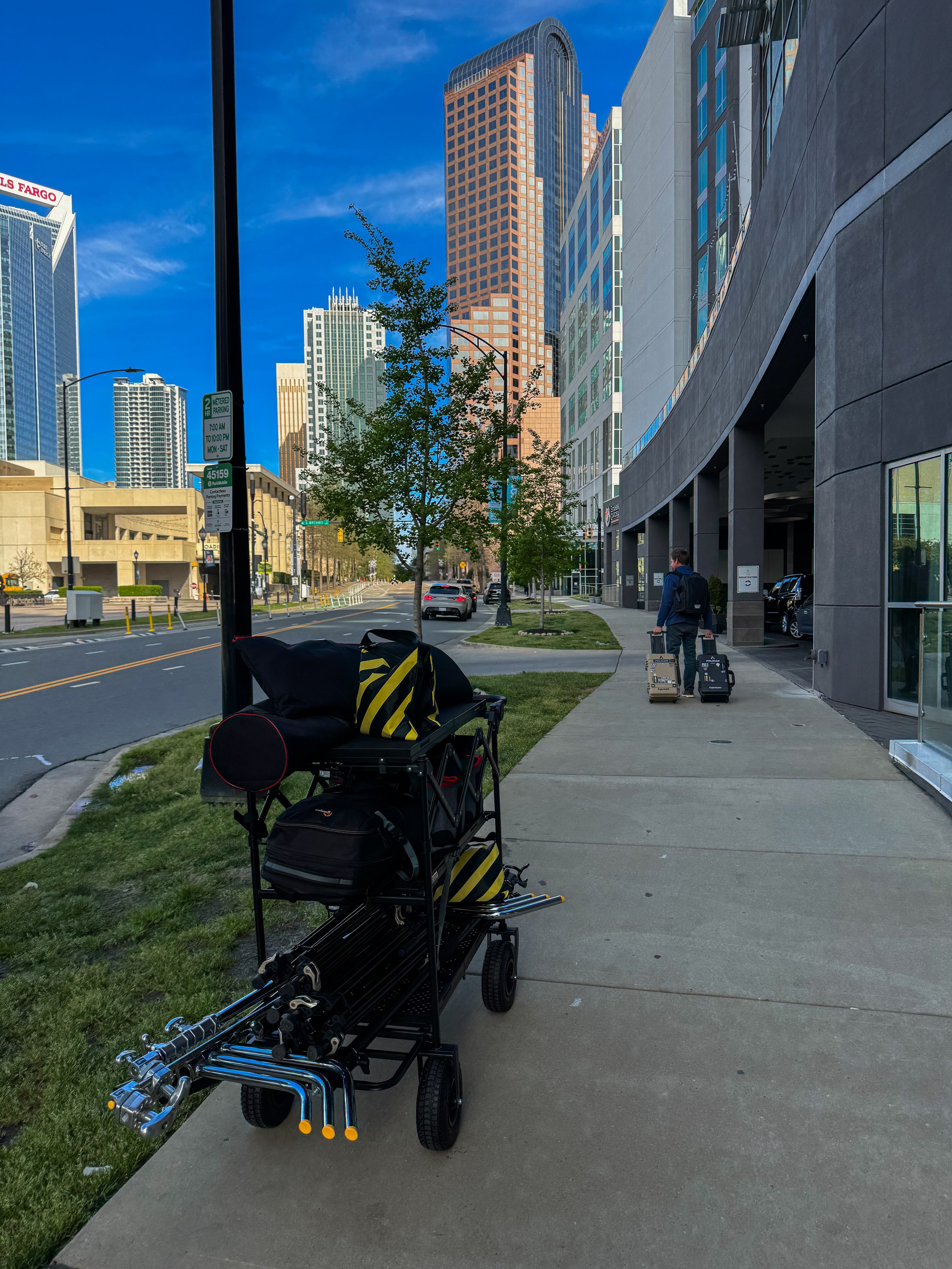
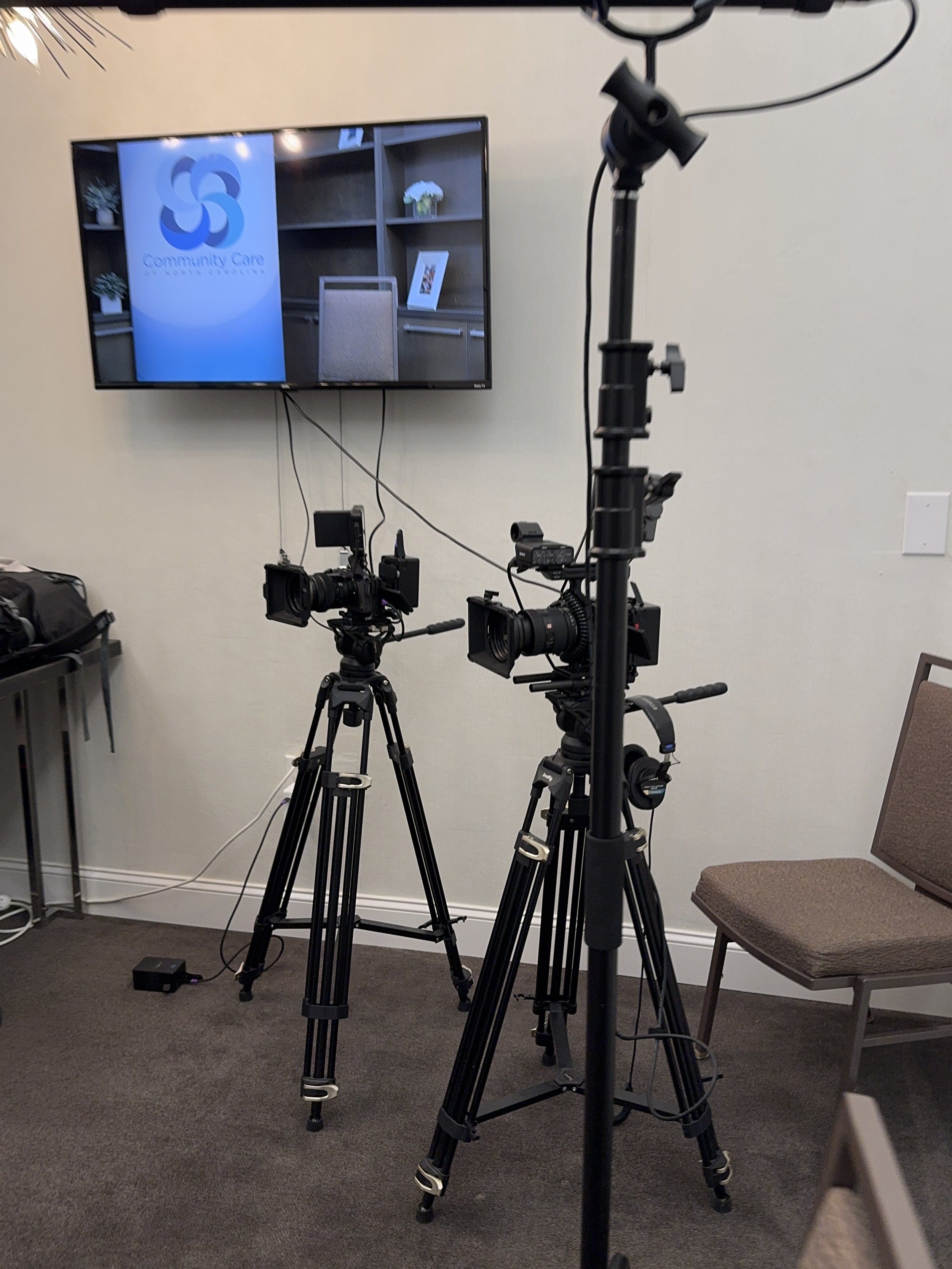
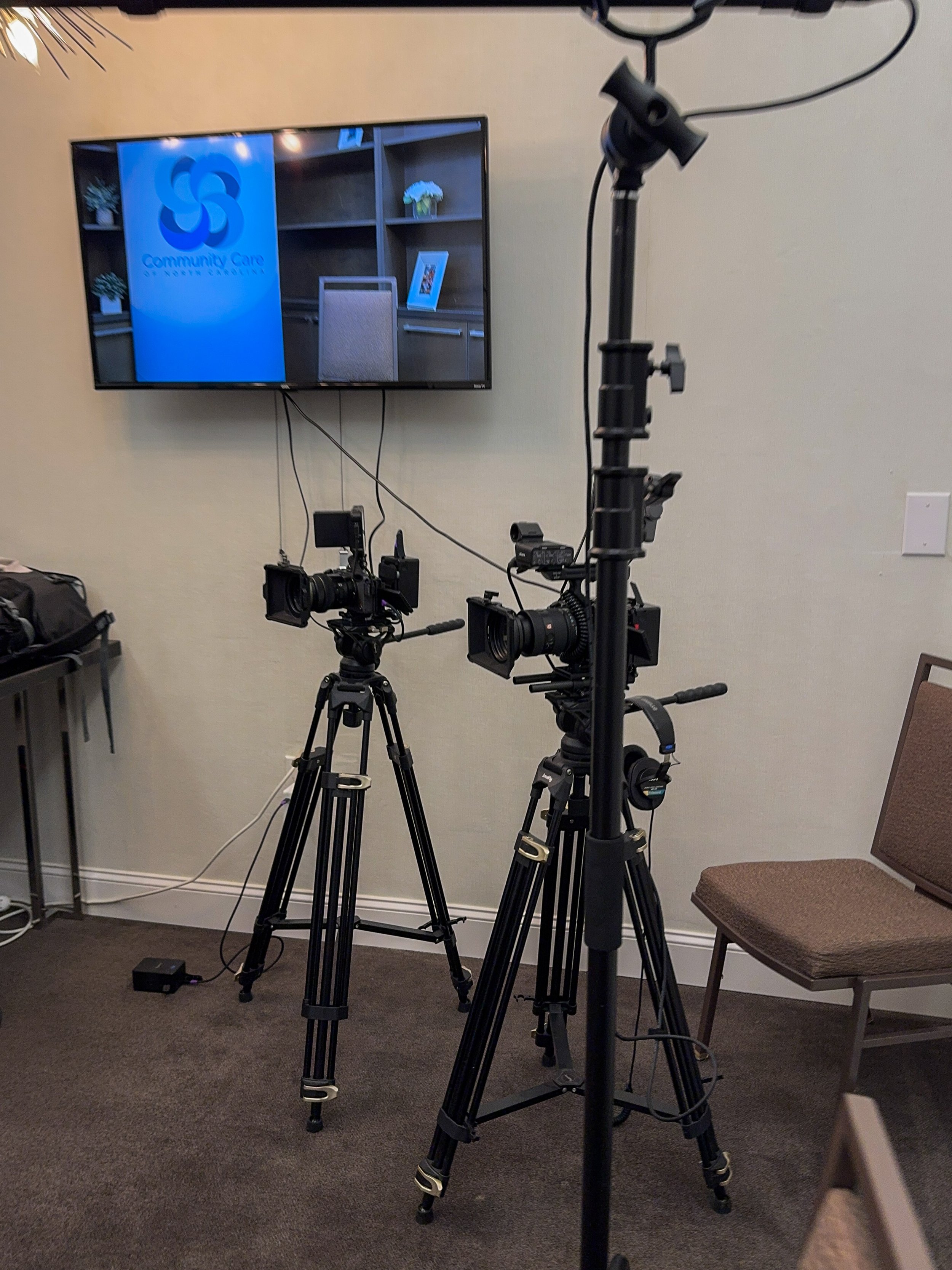
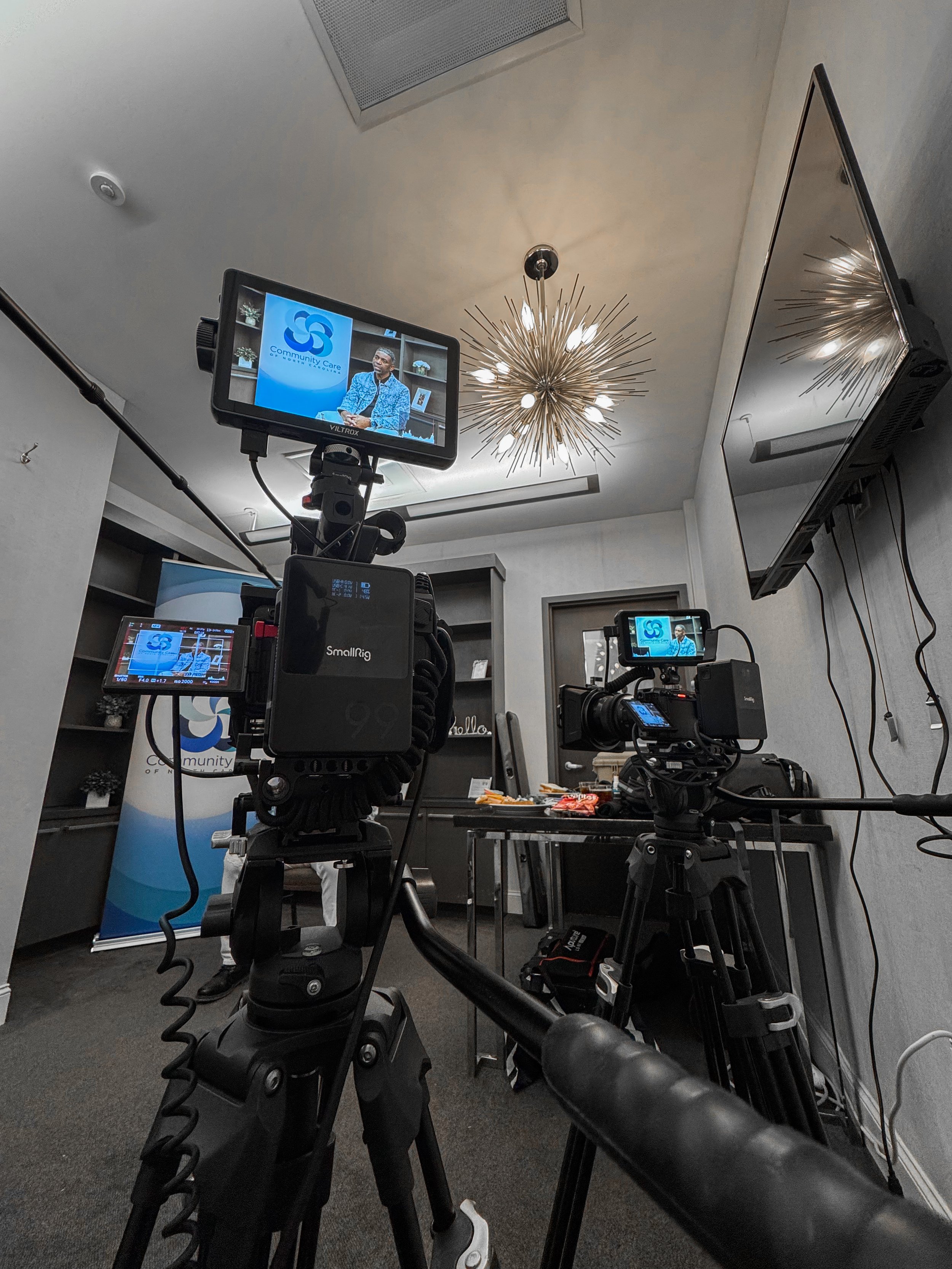
I was hired to shoot some corporate interviews in Charlotte, NC, and the biggest challenge wasn’t the talent or the gear—it was the space. We were given a tiny 15x15-foot room with a simple table and chair setup. In the end, we made it work, but it definitely tested my skills as a videographer.
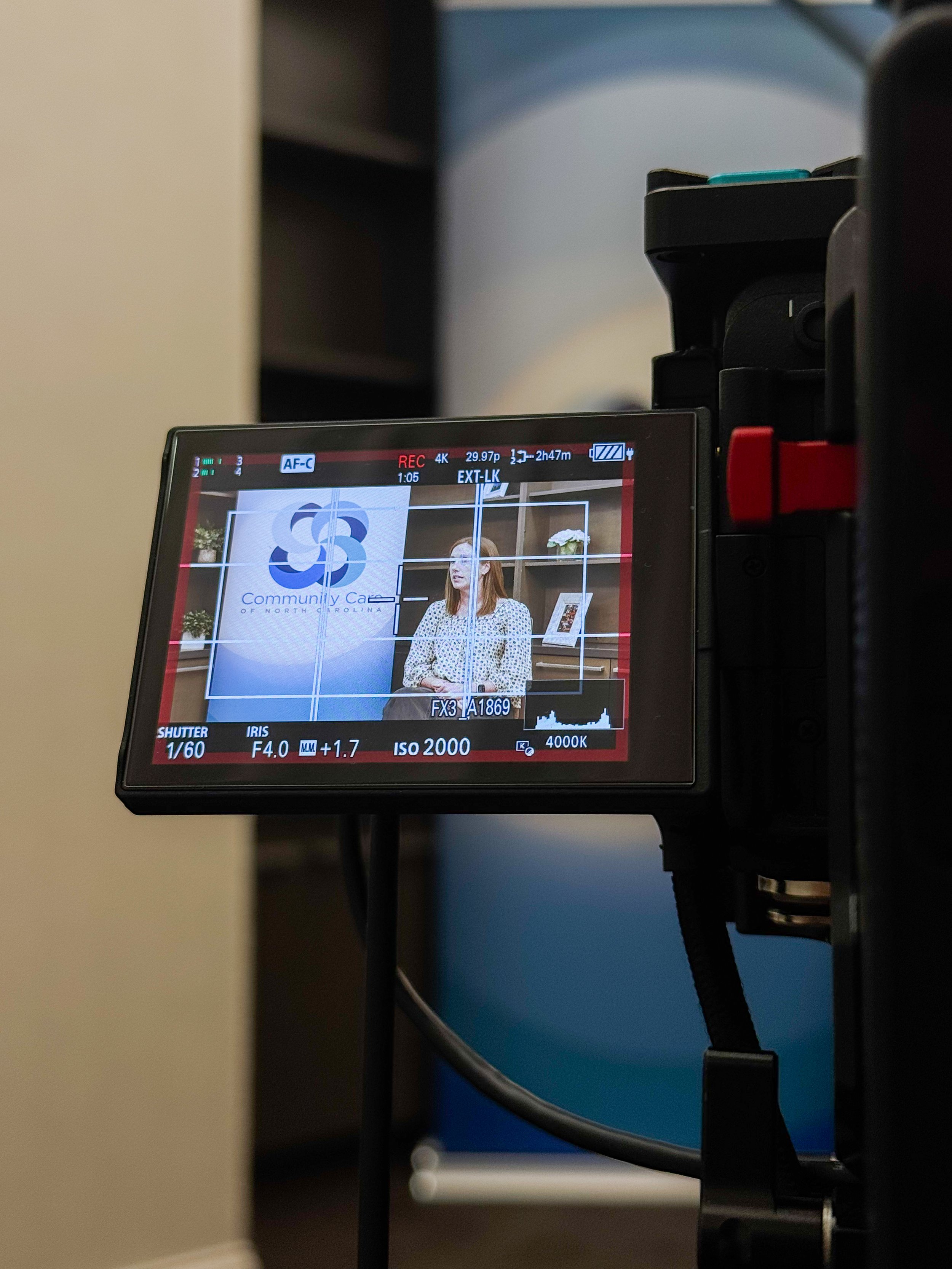
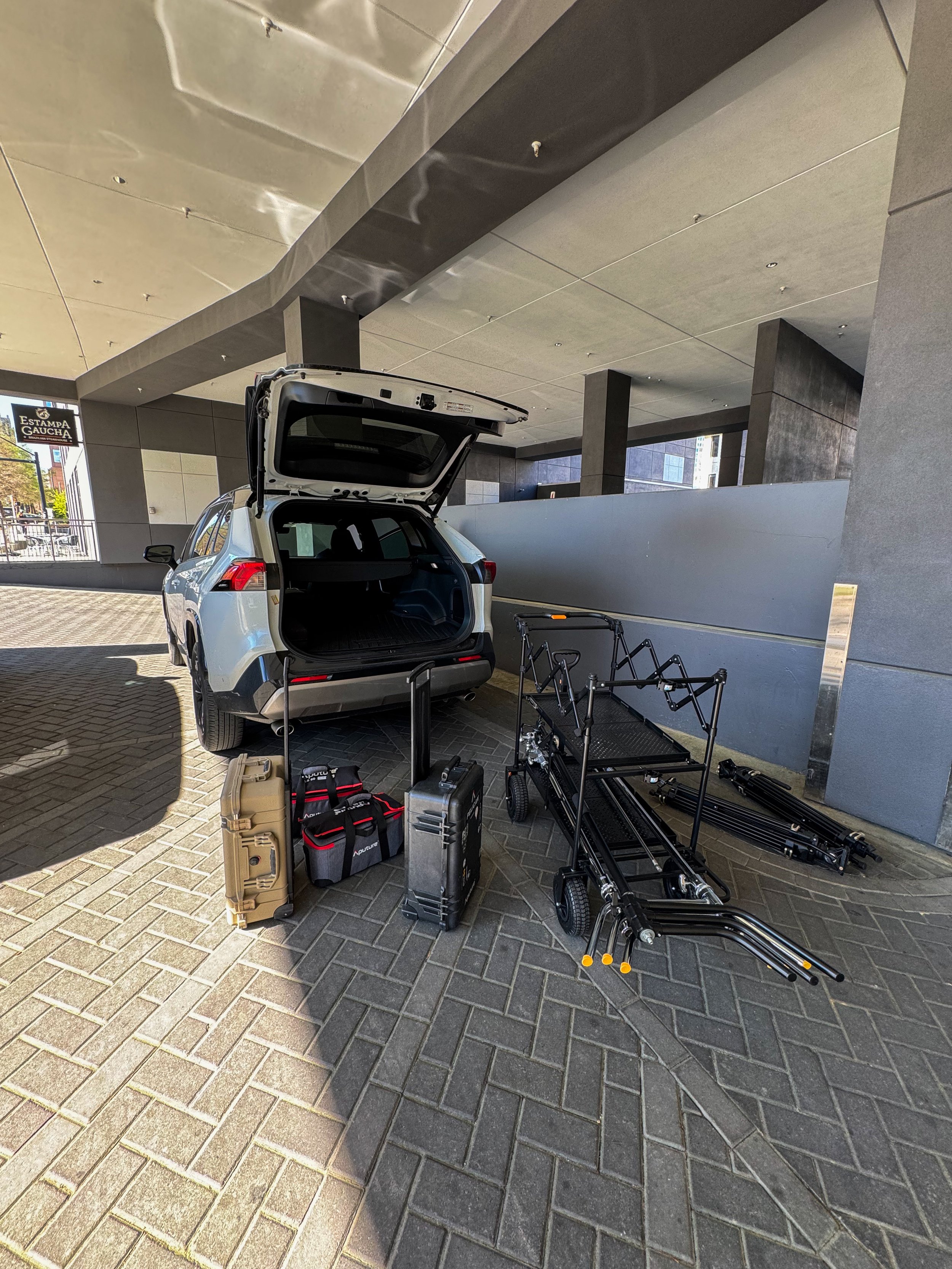
This is one of those lessons you only learn by experiencing a worst-case scenario. I’ve always been okay with going with the flow and showing up without knowing the space in advance. Problem-solving and quick thinking are always part of the job, but sometimes there just isn’t enough time. I gave myself an hour to set up, but half of that was spent acting as a set designer. Tommy from the marketing company and I spent about 30 minutes rearranging furniture, placing the banner, and decorating the bookshelves to make the background look less plain. That left just 30 minutes to set up cameras, audio, and finalize framing for the 15 short interviews we were shooting. Once it was set, I couldn’t touch it for consistency’s sake.
Thankfully, the room wasn’t all bad. The acoustics were solid—very little echo or background noise, which is rare for a hotel. The only disruption came from employees walking in and out of a door right next to the entrance. The lighting was decent too, though I had no control over it; the lights couldn’t be dimmed or turned off. I would have preferred more control, but it could have been much worse.
I even considered shooting somewhere else—maybe the lobby or outside—but while the framing and background would have been better, the audio would have suffered. These are the realities of corporate videography: sometimes you have to make the best of what you can control.
I did everything I could with the gear and space I had. The client either really trusted our skills or didn’t fully understand what it takes to create polished corporate interview shots—I think it was the latter. My work as a videographer depends heavily on location. When I can choose the space, it’s much easier to create great visuals. When I can’t, it’s time to get creative and make the most of what I have—just like documentary videographers do every day.
Would I have preferred a different location? Absolutely. But what we had was still far better than shooting in front of a blank wall. And that’s a win in my book.
Going forward, I’ll always ask for a photo of the location before the shoot. That way, I can start brainstorming framing ahead of time and spend less time on set figuring out where chairs or props should go. As long as we can have a conversation about what is and isn’t possible at the location, I can manage client expectations and make adjustments ahead of time. If a spot doesn’t look optimal, I’ll request a change—because, as I’ve said, a good-looking shot depends heavily on the background.
If you enjoyed this behind-the-scenes look at a corporate interview shoot, check out more of my projects or get in touch to see how I can help bring your vision to life.